The Haunting Legacy of Camp Sherman: History Meets Paranormal Mystique in Chillicothe, Ohio

Camp Sherman in Chillicothe, Ohio, stands as a powerful reminder of a pivotal moment in American history. Built rapidly during World War I, this military training camp shaped the lives of thousands of soldiers and left a lasting impact on the surrounding region. Beyond its historical significance, Camp Sherman carries an eerie atmosphere, with stories of hauntings and unexplained phenomena that have persisted for decades. Haunted Camp Sherman has long been a place where history and the unexplained overlap. This post explores the camp’s origins, its role during the war, and the subtle paranormal tension that lingers on the land today.
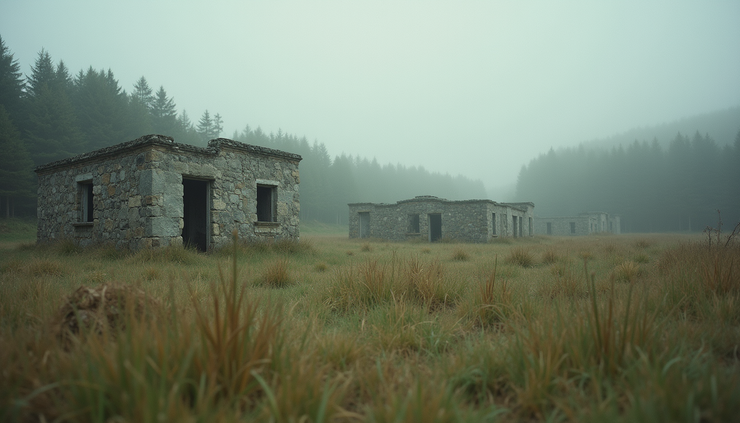
Origins of Camp Sherman and Its Rapid Construction
In 1917, as the United States entered World War I, the government faced an urgent need to train a massive number of soldiers quickly. Camp Sherman was established near Chillicothe, Ohio, as one of the largest training camps in the country. The site was chosen for its strategic location, access to railroads, and ample space to accommodate tens of thousands of troops.
Construction began in the spring of 1917 and proceeded at a remarkable pace. Within months, the camp grew from farmland to a sprawling military installation covering over 40,000 acres. The project employed thousands of workers who built barracks, mess halls, hospitals, and training facilities. The camp could house more than 40,000 soldiers at its peak, making it one of the largest military training centers in the United States during the war.
The rapid development of Camp Sherman reflected the urgency of the time. Soldiers trained here before deployment to the European front, preparing for the brutal realities of trench warfare. The camp’s presence transformed Chillicothe and the surrounding Ross County, bringing economic growth but also social challenges as the population swelled with military personnel and support staff.
The Impact on the Region
Camp Sherman’s establishment had a profound effect on the local community. The influx of soldiers and workers created new jobs and boosted local businesses. However, the sudden population increase also strained resources and infrastructure. Housing shortages, increased demand for food and supplies, and the need for medical care tested the town’s capacity.
The camp’s hospital treated thousands of soldiers, including those suffering from the 1918 influenza pandemic, which swept through military installations worldwide. The pandemic claimed many lives at Camp Sherman, adding a somber chapter to its history.
After the war ended in 1918, Camp Sherman was gradually decommissioned. Buildings were dismantled or repurposed, and the land returned to civilian use. Despite this, the memories of the camp’s intense activity and the lives it touched remained deeply embedded in the local consciousness.
The Hauntings and Paranormal Activity
Decades after the camp’s closure, stories of strange occurrences and ghostly sightings began to surface. Residents and visitors to the area have reported unexplained noises, shadowy figures, and sudden drops in temperature near the former campgrounds. These accounts often center around locations where soldiers once lived, trained, or were treated.
One common theme in eyewitness reports is the feeling of being watched or followed, especially near the old hospital site. Some have heard faint voices or footsteps when no one else is around. Others describe seeing apparitions in period military uniforms, sometimes disappearing when approached.
Local folklore has woven these experiences into a broader narrative of restless spirits tied to the camp’s turbulent past. The combination of rapid construction, wartime trauma, and the influenza outbreak creates a backdrop that many believe fuels the paranormal energy.
Eyewitness Accounts and Subtle Paranormal Tension
Several individuals who have explored the Camp Sherman area share similar stories. A local historian recounted an evening visit to the site where he felt a sudden chill and heard distant marching sounds. Another visitor described a fleeting glimpse of a soldier’s silhouette near the old parade grounds.
These accounts rarely claim dramatic hauntings or violent encounters. Instead, the paranormal activity at Camp Sherman tends to be subtle and atmospheric, lending a quiet tension to the landscape. This restrained presence aligns with the site’s history—a place where thousands trained and lived, some of whom never returned home.
The lingering energy seems to honor the memory of those who passed through, blending history with mystery without sensationalism. It invites reflection on the human cost of war and the passage of time.
Preserving History and Embracing Mystery
Today, efforts to preserve Camp Sherman’s history continue through local museums, historical societies, and community events. Visitors can explore parts of the former camp and learn about its significance in World War I. The stories of hauntings add an additional layer of interest, drawing those curious about the paranormal and the emotional weight of the site.
Haunted Camp Sherman stands as a place where history and the unexplained meet. Its legacy is not only in the facts recorded in archives but also in the subtle echoes felt by those who walk its grounds. The camp’s story reminds us that places shaped by human experience carry memories that sometimes transcend the visible — a reminder of why Ohio's haunted history continues to fascinate so many.
Mark H Roe – www.markhroe.com


Comments