From Books to Beats Why I'm Turning My Stories Into Music

Some stories refuse to stay on the page.
They start as chapters, scenes, and lines of dialogue. Then they begin to hum. A character’s grief takes on the shape of a minor chord. A battle scene asks for drums. A quiet ending feels like a single piano note left hanging in the air.
That is the heart of this new creative turn for me. I am taking the worlds, characters, and emotions from my books and turning them into songs. Not as a replacement for the books, but as another doorway into them.
From Books to Beats: Bringing Appalachian Stories, Legends & History to Life Through Music is more than a project title. It is a shift in how I think about storytelling itself.

Stories already have rhythm
Writing has always felt musical to me.
A good sentence has timing. A chapter has pace. Dialogue has rests, beats, interruptions, and release. Even silence on the page can feel loud when it lands in the right place.
When I write fiction and nonfiction, I am already listening for rhythm:
The quick pulse of a chase scene
The slow breath of a confession
The sharp cut of betrayal
The soft return of hope after loss
Music lets me bring that invisible rhythm forward. It takes what was underneath the words and gives it a body people can hear.
A book asks the reader to imagine the sound. A song offers one possible version of it.
Music reaches emotions before explanation
Books are powerful because they give us room to think. Music is powerful because it often reaches us before we know what we are feeling.
That is one reason this idea matters to me. Some moments in a story are hard to explain without flattening them. A character can be afraid, loyal, angry, hopeful, and ashamed all at once. On the page, I can explore that through action and inner thought. In music, I can let those emotions exist together.
A melody can carry tension and tenderness at the same time. A voice can crack in a way a sentence cannot. A bass line can make danger feel close before a single lyric says so.
That does not make music better than prose. It makes it different.
The book gives the story its shape. The song gives it another heartbeat.
How Appalachian Folklore Music Gives Stories a Voice
One of the most exciting parts of this process is asking a simple question: what does this story sound like?
What melody belongs to an Appalachian ghost story passed down through generations?
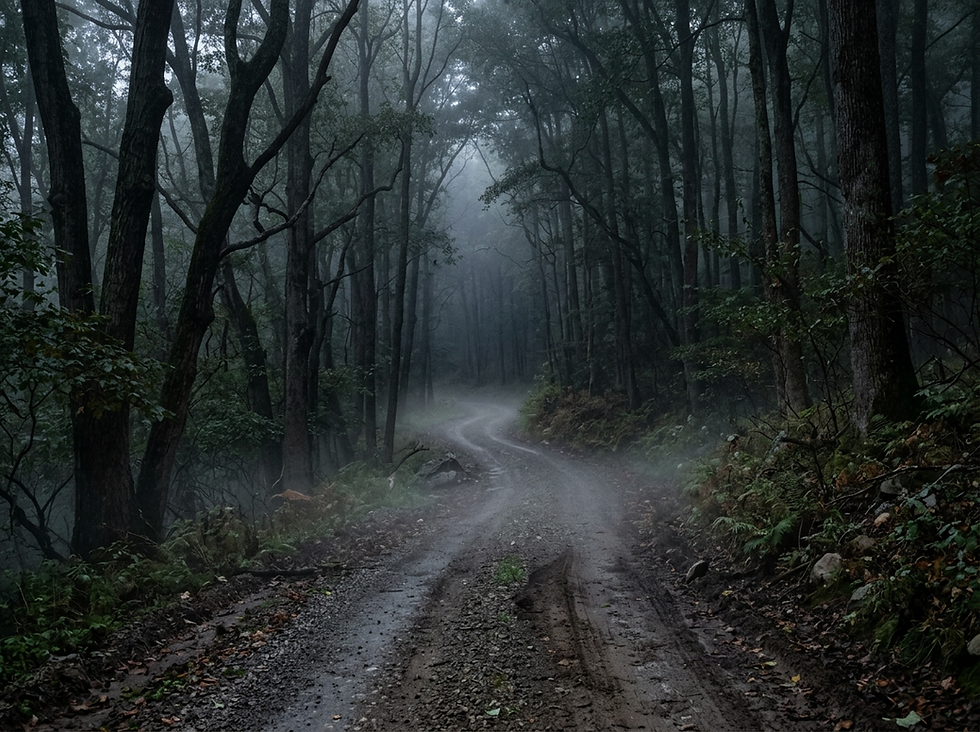
What rhythm captures the mystery of an old bridge, a forgotten cemetery, or a lonely stretch of road where strange things have been reported for decades?
As I write about folklore, hauntings, cryptids, local legends, and forgotten history, I spend countless hours exploring the people, places, and traditions behind those stories. Appalachian Folklore Music gives me another way to share those experiences and bring these stories to life for new audiences.
A song can capture wonder, fear, nostalgia, mystery, and hope in a way that reaches listeners immediately. Sometimes a melody can place someone inside a story long before they know all the historical details behind it.
That feeling is what I am chasing.
Not just telling a story.
Helping people experience it.
The Songs Can Expand the Story Without Rewriting It
Turning stories into music creates opportunities that books alone cannot always provide.
A song can capture the atmosphere of a haunted location, the mystery of a local legend, or the emotion behind a historical event.
Sometimes the song explores the place itself.
Sometimes it explores the people connected to it.
Other times it brings life to old traditions, folklore, and stories that have survived through generations of storytelling.
The goal is not to retell the book word for word.
The goal is to deepen the experience.
For readers, a song can become another doorway into a story they already enjoy. For listeners, it may become the beginning of a journey into the history, folklore, and mysteries hidden behind the music.
In that way, the books and the songs work together.
Each helps tell a different part of the story.
This Is Not About Chasing a Trend
It would be easy to describe this as a new creative experiment or another way to reach a wider audience.
There may be some truth to that.
But the deeper reason is much simpler.
I believe stories matter.
History matters.
Folklore matters.
The local legends shared around campfires, kitchen tables, and front porches matter.
Too many stories disappear with time. They fade as generations pass and memories are lost. Some survive only because someone cared enough to write them down or tell them one more time.
Through my books, my streaming channels, and now music, I hope to help preserve some of those stories before they are forgotten.
Not because every story is famous.
But because every story is part of who we are.

A Different Way to Invite People In
People connect with stories in different ways.
Some love diving deep into a book and exploring every detail. Others connect with atmosphere, emotion, and mood first.
Music allows me to reach those listeners in a different way.
A song can introduce someone to a haunted location, a forgotten historical event, an Appalachian legend, or a strange local mystery in just a few minutes.
It can spark curiosity.
It can inspire questions.
It can encourage someone to dig deeper into the stories behind the music.
Maybe that journey leads them to one of my books. Maybe it leads them to one of my documentaries or streaming episodes. Or maybe it simply encourages them to explore the stories hidden in their own community.
Any of those outcomes are a success in my book.
What I Hope These Songs Become
My hope is simple.
I want these songs to help people feel connected to the stories, places, and traditions that inspired them.
I want listeners to imagine the forgotten roads, haunted landmarks, Appalachian hills, and historic locations where these stories were born.
I want readers to hear a song and remember a story.
I want listeners to discover legends and history they may never have encountered otherwise.
Most of all, I hope these songs encourage people to look a little closer at the world around them.
Every town has its legends.
Every county has its mysteries.
Every family has stories worth remembering.
If these songs inspire someone to learn more about history, folklore, hauntings, or the traditions that shaped their community, then they have accomplished exactly what I hoped they would.
Because some stories refuse to stay on the page.
Sometimes they become a song.
And sometimes that song helps ensure the story survives for another generation.
If you enjoy these Appalachian paranormal songs and stories and want to explore more, you can visit my website at www.MarkHRoe.com. And if you’d like full‑length haunted history episodes, you can watch my streaming channel Haunted Facts Daily on Roku & Fire TV — just search the name and start exploring the strange side of Ohio and Appalachia
- Mark H Roe


Comments